Q: Can using a mobile phone cause seizures, and is any phone better than the other?
A: There really is limited an inconsistent research out there related to this. Some studies have suggested there are detrimental effects of electromagnetic fields (EMF’s) on brain function while others negated this. While high-quality evidence on the safety of the use of smartphone, mobile phone/Internet, and Wi-Fi in people with epilepsy is lacking, careful use of these technologies, including using wired hands-free sets or other EMF (electromagnetic fields) exposure-reducing measures is recommended.
So, the brand of phone isn’t really important, it’s how you use it. It may be best to get some earphones to plug into the phone (not wireless), rather than hold the phone to your ear, and don’t overuse the mobile phone as frequent lengthy calls are best avoided. Using your phone in areas where there is good reception also decreases your EMF exposure as it allows the phone to transmit at reduced power. Don’t isolate yourself though, shorter calls and maybe even facetime might be better.
Reference: Asadi-Pooya, AA, Mirzaei Damabi, N, Rostaminejad, M, Shahisavandi, M, Asadi-Pooya, A. Smart devices/mobile phone in patients with epilepsy? A systematic review. Acta Neurol Scand. 2021; 00: 1– 11. https://doi.org/10.1111/ane.13492
WHO: Electromagnetic fields and public health: mobile phones
Q: Is there a form schools can access to give to families to complete (with their doctor) for first aid records?
A: There are a couple of options the family can use:
A Seizure Management Plan is to ensure the right people know what to do when a seizure happens, so it also includes the first aid response(s). SMP’s give everyone a clear direction and peace of mind.
We have an online seizure management plan (SMP) tool that we use to create a planwhich is based on the direction given by a child’s Neurologist (it can be found here: Seizure Management Planning). This online tool enables easy access and families can make quick changes should they be necessary. They then can be printed or emailed in a nice format.
Some people prefer a template, which we are also happy to provide and work through with the family if they need it.
For children prescribed medication for seizure emergencies, we also have a prescription order form which we supply to parents to get this signed by the GP or Neurologist.
We are happy to work with the families, so if they call or email us, we can work from there. They can get assistance from an Epilepsy Nurse Specialist in completing the Seizure Management Plan & First Aid response.
Q: Can you advise me if it is safe to get the COVID vaccines if I have epilepsy? I’m concerned it will trigger seizures.
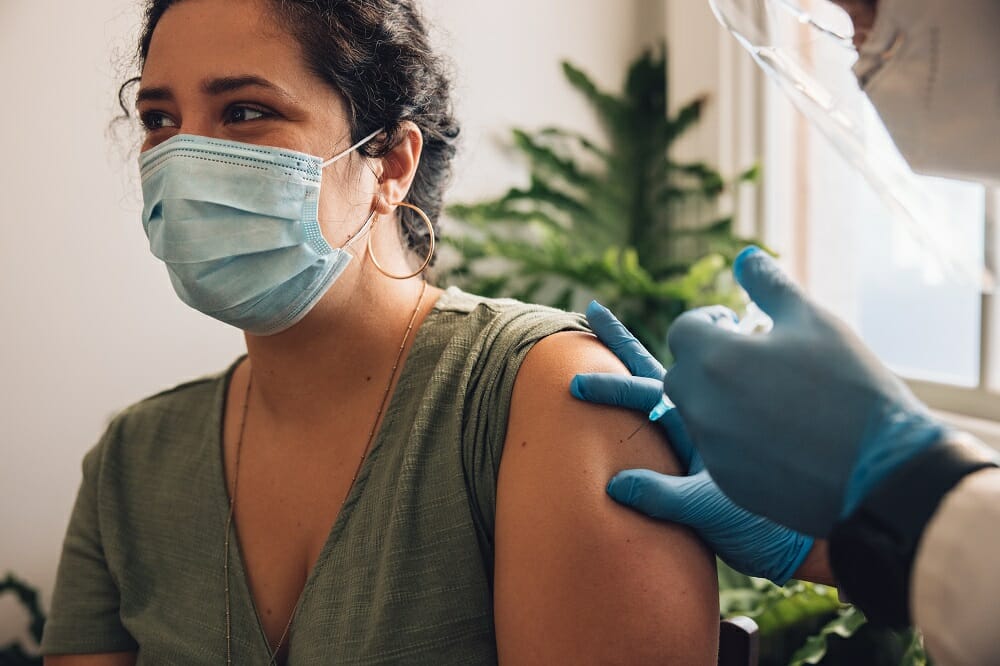 A: This is an extremely challenging time and unfortunately, we do not have all the answers, what we can do however, is provide advice and guidance along the lines of what is recommended by the Health of Department. We do emphasise the importance of discussing the risks, benefits and your concerns with your GP and/or neurologist, as they understand your full medical history and can address your concerns in more detail.
Currently there is no evidence that people with epilepsy are at a higher risk of side effects after either vaccination. As with any vaccine, some people may develop a fever – which could lower the seizure threshold in the short term for some people, and rarely could result in a break-through seizure. The risk of COVID-19 infections and potential complications far outweighs the risks and side effects from a COVID-19 vaccine.
Taking paracetamol regularly as directed for 48 hours after the vaccination will minimise the risk of fever after the injection.
When you present for your vaccination, please ensure you discuss current medication and medical conditions with the attending doctor and nurse.
Here is some more information on our website which may answer a few more questions. COVID-19, Epilepsy and Vaccinations.
You can also find out more information regarding specific questions related to vaccinations on the Department of Health website
The International League Against Epilepsy (ILAE) is currently collecting information on people with epilepsy who has experienced an exacerbation of seizures, developed new onset seizures, or experienced another neurological change. https://www.ilae.org/patient-care/covid-19-and-epilepsy
Q: I have heard there is a ‘laughing seizure’. I have a child who is on the autism spectrum and has Tourette’s. He has episodes of inappropriate laughing, and we are not sure if it’s behaviour or a possible seizure.
A: A laughing seizure is usually what we call a Gelastic seizure. These are rare focal seizures that cause bouts of uncontrolled laughing or giggling, typically out of context. It is commonly followed by other signs of focal seizures, such as changes in awareness and lip smacking (chewing).
Gelastic epilepsy can go on for very long periods of time without a diagnosis because it is often mistaken as a normal laughing or crying, especially in your son’s case where there are other factors involved. It is difficult to say if it is behavioural unless you keep a diary, and it would be a good idea to record it on camera to show the doctor.
It is important to speak to the doctor about these though because they are often associated with a specific type of non-malignant lesion in the brain.
Q: I thought I had epilepsy, but my seizures have been diagnosed as psychogenic non-epileptic seizures (PNES). Can you direct me somewhere where I can find health professionals to help with my PNES?
A: As you probably already know, PNES, which can also be termed functional seizures, come under the umbrella of Functional Neurological Disorder or FND. FND includes a broad spectrum of neurological symptoms that can’t be explained by a neurological disease or other medical condition. Symptoms can include events that can be mistaken for and often misdiagnosed as epileptic seizures. The cause of functional neurologic disorders is unknown, but the condition may be triggered by a neurological disorder or a reaction to stress or psychological or physical trauma, but that’s not always the case.
Fortunately, there has been more investigation into this condition and there are now treatment programs available in Australia.
You might be best to contact a FND organisation to find out further details about this.
In Australia there are a few organisations, possibly some others, but this is a good start. Hopefully they will be able to guide you.