Did you know you can book an appointment with us online? You can book a phone or video call with one of our Epilepsy Nurses.
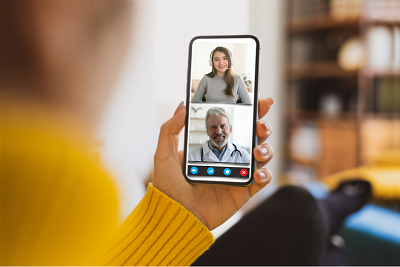 We also encourage co-consultations, where you can include any health care worker, provider, school staff or support worker who works with you or your child. Co-consultations:
- Create a space to make sure all services are working together and towards the same goals
- Provide opportunities to ask questions and gain epilepsy knowledge for all involved parties
- Can give you peace of mind to know your support worker knows what to do if a seizure happens
- Facilitates everyone involved with the person with epilepsy to understand aspects such as seizure triggers and ways to manage them, or reduce exposure to these triggers
- Are a great way for your OT or support worker (for example) to discuss how your epilepsy should be considered when in other therapy programs or activities.
- For example, if the OT is doing a home visit for safety in the environment it would be good for the epilepsy nurse to be in a telehealth consult to discuss safety issues around seizures in the home or community
- Can generate constructive discussion and planning, and give us a clearer picture about your child and their needs and safety, with you and relevant school staff
- This can really help with seizure management planning, safety risk assessment and forward planning for activities or excursions
To book a phone or video call appointment with one of our epilepsy nurses, select the category that suits you best:
 Families/Individuals

For anyone living with epilepsy and their family and significant others.

General Practitioners

For GPs wanting more information about epilepsy or to book with a Clinical Nurse Consultant/ Clinical Nurse Specialist for support in developing a Chronic Disease Management Plan for a specific patient living with epilepsy.
Professionals

For all other professionals involved in supporting people living with epilepsy such as allied health, disability support workers, NDIS planners, teachers or employers.
Case Study
Jeremy is 12 and has poorly controlled seizures which occur without warning. He has sustained many injuries in the past from falls associated with his seizures. Jeremy had had some seizures at school in situations that posed a risk to his safety. His school were concerned about this and wanted to provide the safest and most inclusive environment for Jeremy.
Jeremy’s mother, class teacher and school support officer wished to discuss the situation and have assistance creating a seizure management plan with contingency plans for the school.
A co-consultation was organised and a meeting with discussion took place to work out the best approach for Jeremy. A seizure management plan was created from this meeting, the classroom was reorganised to have Jeremy in good view of the teacher in class, and a space in the classroom was designated for Jeremy to safely go to after he had a seizure in clear view of staff.