Mood and Mental Health

Home > About Epilepsy > Living with Epilepsy > Mood and Mental Health

Living with epilepsy, like any ongoing health condition, can influence how you view things and make decisions about your life. This can also affect your mental health.

  • People with epilepsy are 2 to 3 times more likely to experience depression than the general population
  • Mental health conditions affect about 1 in 3 people with epilepsy and can be caused by both biological and psychosocial factors

There is a two-way connection
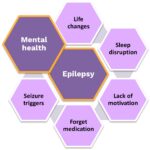
Mental health diagram


People with depression or anxiety are also more likely to develop epilepsy than those without depression or anxiety.

When epilepsy and mental health conditions occur together, it can affect seizure control.

People with both epilepsy and a mood disorder may find it harder to manage their seizures or stay motivated to follow treatment plans.

This can reduce quality of life and create a cycle that’s hard to break without help.


What are these connections?

The impact of living with epilepsy:

Worrying about seizures, medication side effects, stigma, and lifestyle limitations can all affect mood and wellbeing.

Lifestyle changes and limitations such as loss of driving licence can affect work, family commitments, and cause social isolation.

Epilepsy is still a stigmatised condition, which can lead to discrimination and social withdrawal.

Shared biological factors:

Some of the same brain changes, genetic factors, or chemical imbalances that cause epilepsy can also contribute to mental health issues.

The unpredictability of seizures can lead to poor self-esteem, anxiety and depression.

Before and after diagnosis:

Some people may experience depression or anxiety even before epilepsy is diagnosed. These feelings might also become more noticeable after diagnosis, or if seizures are difficult to control.

Your risk of experiencing depression or anxiety can be higher if:

  • your seizures aren’t fully controlled
  • you have temporal lobe epilepsy, or
  • there is a family history of epilepsy

People with epilepsy and their family should be made aware of the risk and implications of mental health problems

mental health marcel strauss unsplash

Managing mental health

Managing depression and anxiety generally needs an approach that focuses on the individuals circumstances. This may include medication, therapy, lifestyle changes, and support systems.

Effective management can improve both mental health and seizure management, as depression and anxiety can sometimes trigger or worsen seizures

Medication: Medication can help, but choice is important as some may interact with your with antiseizure medications.

Therapy: Talking therapies, such as counselling, psychotherapy, or group therapy, can help improve mental health. Behavioural therapy, may also be an option.

Lifestyle Adjustments:

  • Exercise: Regular physical activity can improve mood and overall well-being.
  • Healthy Diet: Eating a balanced diet can positively impact mental health.
  • Stress Management: Techniques like mindfulness, deep breathing, and meditation can help manage stress, which can trigger seizures in some people.
  • Sleep Hygiene: Prioritising sleep is important, as sleep deprivation can exacerbate both seizures and mental health conditions.

Support Systems:

Building a strong support network of family, friends, and support groups can provide emotional support and reduce feelings of isolation.

All people with epilepsy should be routinely screened for psychiatric disorder at diagnosis, and at least once a year

Get support early. Talk to your GP or specialist.

Mental health is just as important as seizure control.

Your GP will be able to conduct or arrange any necessary medical tests, provide treatment or refer you to a mental health professional.

A GP can refer you to a psychologist. Medicare rebate is available for up to 10 sessions with a mental health professional each calendar year under the Mental Health Plan.

If this conversation arises with your neurologist, then they can also refer you to a psychologist or appropriate mental health specialist.

You may find it helpful to join an online support group to see how others manage with their epilepsy or situations.

Some online tools that may help:

  • eCentre Clinic have a Wellbeing Neuro Course for people who have a neurological illness and a mood disorder
  • MindSpot have an online assessment tool, and provide a therapist-guided treatment course and referrals to help you recover and stay well

Further help and information:

Living with epilepsy and fatigue

Beyond Blue

Black Dog Institute

Head to Health

Headspace (Young People)

Lifeline